
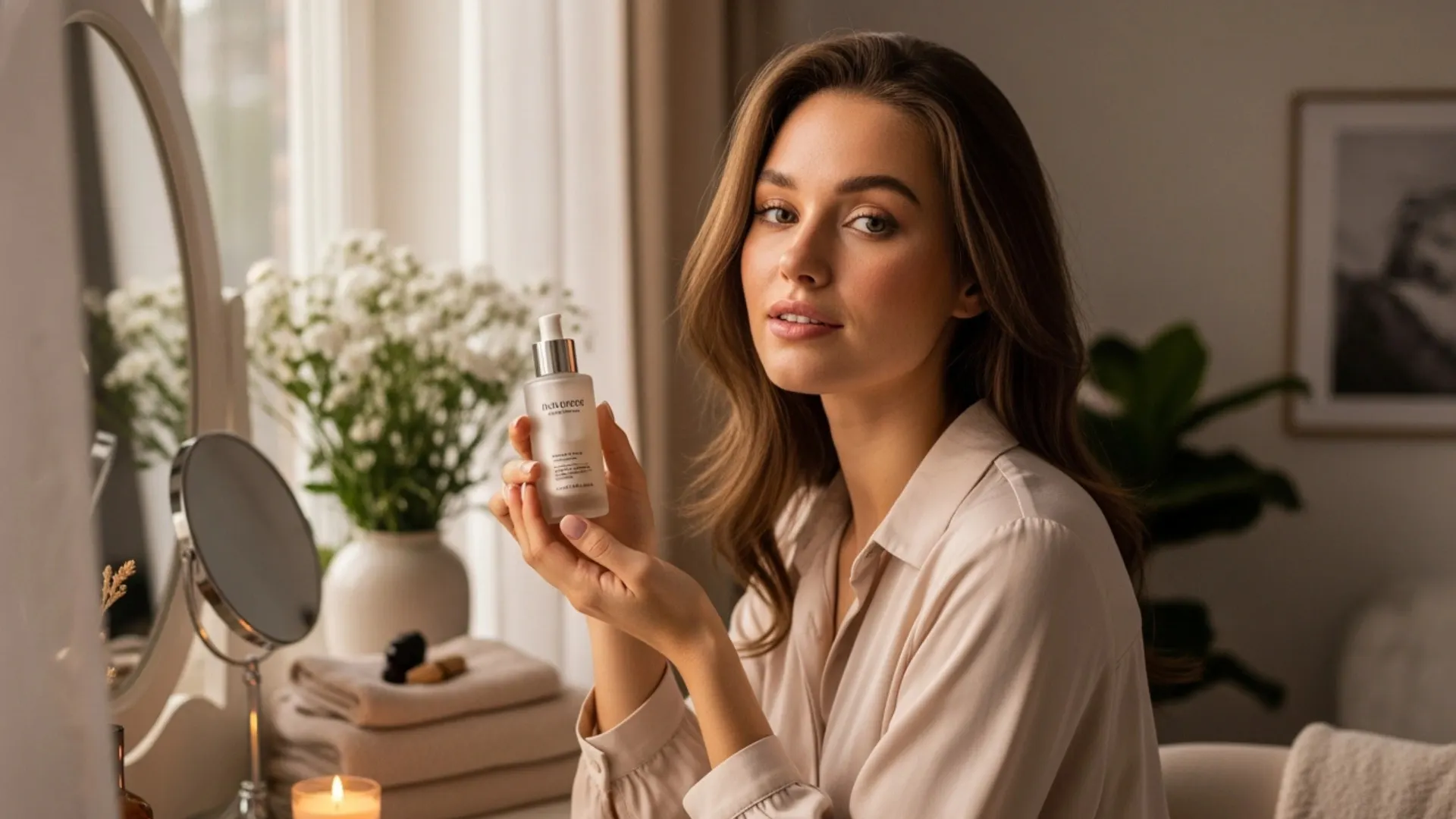


You have probably scrolled past a product image that made you stop and think, "I want that." Not because the product was fancy, but because the photo showed it in a setting that felt familiar, aspirational, or just right. That is lifestyle photography in action.
For online sellers, lifestyle images do something a plain white-background shot cannot. They give shoppers a reason to care. And in a crowded marketplace where every listing competes for the same attention, that emotional pull is what separates a scroll from a sale.
What Lifestyle Photography Means for Product Sellers
At its core, lifestyle photography meaning is simple: show a product in a real-world or styled setting instead of on a blank background. But the impact goes much deeper than aesthetics.
How Lifestyle Shots Differ From Standard Product Photos
A standard product photo on a white background answers one question: what does the product look like? A lifestyle shot answers a different one: what does it feel like to own this?
Standard catalog images are essential for marketplace compliance. Amazon requires white-background hero shots. Shopify stores need clean product pages. But those images only handle the functional side of the buying decision. Lifestyle photography handles the emotional side. A throw blanket draped over a couch in a warm living room feels inviting. A water bottle clipped to a hiking backpack feels active. The product is the same, but the story around it changes how shoppers respond.
Why Context Pushes Shoppers Closer to a Purchase
Online shopping removes the ability to touch, try, or experience a product before buying. Lifestyle images bridge part of that gap by showing scale, usage, and setting. A shopper looking at a coffee mug on a white background has no idea how big it is. That same mug on a kitchen table next to a laptop and a plate of breakfast suddenly makes sense.
Listings that pair lifestyle images with studio shots consistently outperform those that use catalog photos alone. The combination gives shoppers both the clarity of a product shot and the emotional pull of context.
Lifestyle Photo Ideas That Work Across Product Categories
The best lifestyle photography examples share one thing in common: the setting feels natural for the product. Forced or random scenes confuse shoppers instead of helping them.
Apparel, Jewelry, and Accessories on Real People
Wearable products almost always benefit from being shown on a person. A dress on a model walking down a city sidewalk communicates fit, movement, and style. A ring on a hand holding a coffee cup communicates scale and occasion. On-model photography adds a layer of relatability that flat-lays and mannequin shots cannot match.
For sellers without the budget for traditional model shoots, AI model tools can generate realistic on-model images from a single flat-lay photo. You select the model's appearance, choose a pose and background, and the tool does the rest.
Home, Beauty, and Food Products in Styled Scenes
Products that live in a specific part of the home or daily routine benefit from being shown there. A few lifestyle photo ideas that work well:
- A skincare set on a marble bathroom vanity with a folded towel and soft lighting
- A set of kitchen knives on a wooden cutting board with fresh herbs nearby
- A scented candle on a nightstand next to a book and reading glasses
- A laptop stand on a clean desk with a plant and a coffee mug
The key is keeping the scene simple and intentional. Two to three props that support the product's story is enough. Any more and the scene starts competing with the product for attention.
How to Create Lifestyle Product Photos Step by Step
Whether you shoot manually or use AI tools, the fundamentals are the same. Good lifestyle photography tips always start with planning and end with restraint.
Pick a Setting That Matches Your Customer's World
Before shooting or generating anything, ask: where would my customer use this product? The answer is the scene. A premium skincare brand should show products in a clean, spa-like bathroom. A casual apparel brand should shoot in a relaxed, everyday environment like a park bench or a cafe.
Authenticity matters more than perfection. A scene that feels lived-in will outperform a scene that feels over-styled.
Light Naturally and Style With Purpose
Natural light from a window is the single best lighting source for lifestyle photography. Soft, diffused sunlight gives products a warm, approachable look that studio strobes often miss. Shoot near a window with a sheer curtain during the day and the lighting does most of the work for you.
For props, follow a simple rule: every item in the frame should support the story. If a prop does not add context about how the product fits into the customer's life, remove it. A cluttered scene with too many elements pulls attention away from the product and weakens the image.
Scale With AI When Manual Shoots Hit a Wall
Manual lifestyle shoots produce great results, but they take time, space, and props. For sellers managing large catalogs, shooting every single product in a styled scene is not realistic. AI lifestyle photography tools solve that problem.
Blend's Lifestyle Shots feature analyzes your product and suggests realistic scenes tailored to its category. Upload a product image, pick a scene, and the AI generates a styled, photorealistic lifestyle photo in seconds. You can customize the setting, adjust props and color palettes, or provide an inspiration image to keep a consistent look across your store.
Pair those lifestyle shots with clean studio backgrounds for your hero images, remove background clutter from source photos, clean up small imperfections with a quick eraser tool, and turn your best image into a short product video. The full set covers every listing and social channel without a single studio booking.
Show Your Product Where It Belongs
Lifestyle photography is not about fancy sets or expensive equipment. At its simplest, it is about showing your product in a place where your customer can picture it fitting into their own life. That small shift in context is what turns a product listing into a sale.
Blend makes it easy to create lifestyle images, studio shots, on-model photos, and product videos from a single upload. Try it free and see what your products look like in the real world.
Frequently Asked Questions
What is lifestyle photography in simple terms?
Lifestyle photography shows a product being used or displayed in a real-world or styled setting, rather than on a plain white background. The goal is to help shoppers picture the product in their own life.
What is the difference between lifestyle and product photography?
Product photography shows the item on a neutral background for clarity. Lifestyle photography adds context, props, and settings to create an emotional connection. Most strong listings use both.
Do I need a professional photographer for lifestyle shots?
No. A smartphone with natural light and a few simple props can produce effective lifestyle images. AI tools can also generate styled scenes from a single product photo without any manual shooting.
What makes a good lifestyle product photo?
A clear focal point on the product, a setting that feels natural for the customer, soft natural lighting, and 2 to 3 props that support the scene without cluttering it.
Can lifestyle photos be used on Amazon?
Yes. Amazon allows lifestyle images in secondary image slots (positions 2 through 7). The main image still requires a white background, but lifestyle shots are encouraged for the rest of the gallery.
What product categories benefit most from lifestyle photography?
Almost every category benefits, but home goods, beauty, food and beverage, apparel, accessories, and wellness products see the strongest impact because the lifestyle context directly supports the purchase decision.