
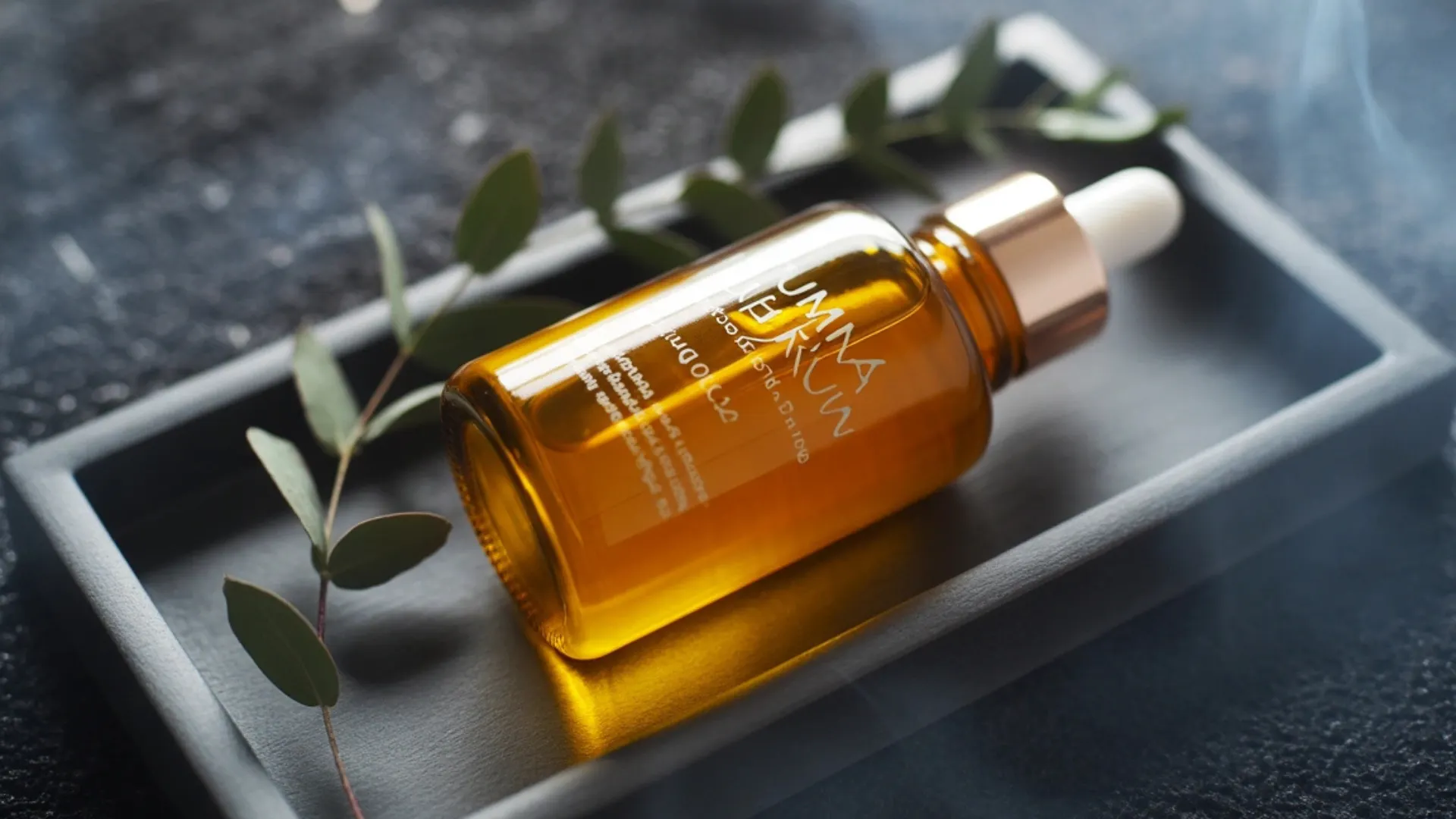


Lifestyle product photography is a style of product photography that shows products in real-world or carefully styled environments instead of against a plain white background. Its purpose is to help shoppers imagine how a product fits into their everyday lives, creating an emotional connection that increases engagement and purchase intent. For brands selling on Amazon, Shopify, Etsy, and social commerce platforms, lifestyle product photography is one of the most effective ways to improve product presentation, build trust, and increase conversions.
A candle on a white background is just a candle. That same candle on a wooden shelf next to a stack of books and a warm mug of coffee becomes a cozy evening at home. That is what lifestyle product photography does. Instead of showing shoppers what a product looks like, it shows them what owning it feels like.
For sellers listing on Amazon, Shopify, Etsy, or any social platform, lifestyle images are no longer a nice-to-have. Product pages that pair lifestyle and studio shots consistently outperform those that rely on white-background images alone. And in 2026, you do not need a studio or a photographer to create them. Here is everything you need to know.
Why Lifestyle Photos Outsell Plain Product Shots
The difference between a listing that gets clicks and one that gets skipped often comes down to context. Lifestyle images add that context in a way plain catalog shots simply cannot.
Shoppers Buy the Feeling, Not Just the Product
A flat-lay image of a skincare serum tells the shopper the bottle is 30ml. A lifestyle image of that same serum on a marble bathroom vanity next to a towel and a plant tells the shopper what their morning routine could look like. Lifestyle photos tap into aspiration. When a customer can picture a product fitting into their daily life, the gap between browsing and buying gets much smaller.
For apparel, the effect is even stronger. A jacket on a hanger communicates color and cut. That jacket on a person walking through a city street communicates how it fits, how it moves, and who it is for. Pairing on-model shots with lifestyle scenes gives shoppers the full picture.
Lifestyle Images Pull More Weight Across Every Channel
A white-background hero shot is essential for marketplace compliance, but lifestyle images are what perform on social media, in email campaigns, and on your own website. Instagram, TikTok, and Pinterest reward visual storytelling, and a well-styled product-in-context photo looks native to those platforms in a way a catalog shot never will.
One lifestyle image can serve double duty: product page gallery and social media post. That kind of versatility makes it one of the highest-value assets in your content library.
RELATED READING: How to Create AI Lifestyle Backgrounds for Food and Beverage Product Photos
How to Plan and Shoot Lifestyle Product Photos
You do not need professional gear to get good lifestyle shots. A smartphone, natural light, and a handful of props can produce images that compete with anything out of a studio, if you follow a few basics.
Pick Settings That Reflect Your Customer's World
A lifestyle scene should feel like a place your customer already lives or wants to live. A yoga mat brand should shoot in a bright, clean living room, not a corporate office. A premium watch brand should show the product on a wrist at a restaurant table or a polished desk, not a cluttered workbench.
Before you shoot, ask: where would my customer actually use this product? The answer is your scene. Keep it simple and specific.
Use Natural Light and Minimal Props
Harsh overhead lighting and cluttered backgrounds are the two fastest ways to ruin a lifestyle shot. Natural window light, ideally soft and diffused, gives products a warm, authentic look that studio strobes often miss.
For props, less is more. Pick 2 to 3 items that complement the product without competing for attention:
- A coffee mug and an open book next to a candle
- A potted plant and a folded towel behind a skincare bottle
- A pair of sunglasses and a tote bag on a cafe table
Every prop should support the story. If it does not add context, remove it.
Keep the Product as the Clear Focal Point
A common beginner mistake is building a beautiful scene and then burying the product inside it. The lifestyle setting is there to support the product, not overshadow it. Place the product front and center, keep it sharply in focus, and make sure it occupies the most visual weight in the frame.
A simple rule: if someone glances at the photo for one second, the product should be the first thing they notice.
How AI Makes Lifestyle Photography Accessible to Every Seller
Manual lifestyle shoots work well, but they take time, props, and space. For sellers managing dozens or hundreds of SKUs, shooting every product in a styled scene is not realistic. AI tools have closed that gap entirely.
Generate Lifestyle Scenes From a Single Product Photo
AI lifestyle photography tools can take a plain product image and place it into a realistic, styled environment in seconds. No props, no set, no photographer.
Blend's Lifestyle Shots feature works by analyzing your product and suggesting curated scenes matched to its category. A skincare product might get "minimal bathroom vanity" or "spa shelf." A pair of headphones might get "modern desk setup" or "commuter bag." You pick the scene, customize props and color palettes if needed, and the AI generates a photorealistic lifestyle image.
For sellers scaling their catalog, the speed difference is massive. What used to take an afternoon per product now takes under a minute.
Pair Lifestyle Shots With Studio and On-Model Images for a Complete Set
Lifestyle photos are most effective when they are part of a full image set, not a replacement for other shot types. A strong product listing typically includes:
- A clean white-background hero shot for marketplace compliance
- 1 to 2 lifestyle scenes showing the product in context
- An on-model image for wearable products
- A detail close-up highlighting texture, hardware, or materials
Remove any background clutter from your source images first. Use a quick cleanup tool to erase any stray objects or distractions. And once your image set is polished, turn the strongest shot into a short product video for social and marketplace listings.
Running every product through the same visual workflow keeps your store looking cohesive and professional, whether you have 10 SKUs or 1,000.
RELATED READING: How to Generate Lifestyle Scenes That Match Your Brand Colors with AI
Start With One Product and Build From There
Lifestyle product photography does not have to be complicated. Start with your best-selling product, create one styled scene, and compare the performance against your current listing images. For most sellers, the difference is obvious within a few weeks.
Blend puts the full workflow in one place. Upload a product photo, generate lifestyle scenes with AI, build out your image set with studio shots and AI Models, clean up imperfections, and turn your best image into video. One photo in, a complete visual set out. Try it free and see what your product looks like in context.
Frequently Asked Questions
What is lifestyle product photography?
Lifestyle product photography shows a product in a real world or styled environment instead of against a plain background. It helps shoppers visualize how the product fits into their daily lives, making it easier to build trust and encourage purchase decisions.
How do I create lifestyle product photos without a photoshoot?
You can create lifestyle product photos without a traditional photoshoot by using AI. Blend's Lifestyle Shots feature transforms a single product photo into realistic lifestyle scenes in seconds, eliminating the need for props, studio setups, or professional photography.
What is the difference between lifestyle photography and product photography?
Standard product photography focuses on showing a product clearly, usually on a white background for ecommerce listings. Lifestyle product photography places the product in a realistic setting or shows it in use, helping customers understand its purpose, scale, and everyday value.
What are lifestyle images used for?
Lifestyle images are used across ecommerce websites, Amazon listings, Shopify stores, social media, email campaigns, and online advertisements. They help products look more engaging, improve brand storytelling, and encourage shoppers to imagine using the product themselves.
Can AI generate realistic lifestyle product images?
Yes. AI powered tools like Blend can generate photorealistic lifestyle product images from a single product photo. You can place products in customized scenes, maintain consistent branding, and create high quality visuals for ecommerce stores without the time and expense of a traditional photoshoot.